In the bustling world of construction, efficient management of resources is crucial to ensure project success. One significant resource in any construction project is equipment. However, construction companies often face the decision of whether to purchase or rent construction equipment. The choice between ownership and rental can substantially impact the cost-effectiveness and flexibility of a construction project. This article discusses when construction equipment rental might be the better option.
Flexibility in Meeting Project Demands
Flexibility is an essential aspect of managing construction projects effectively. Rental equipment allows companies to adapt quickly to changing project scopes and specifications.
When projects require specialized machinery not typically needed daily, renting is undoubtedly more practical. It eliminates the necessity of purchasing equipment that may not be used frequently, thereby optimizing resource allocation. Additionally, renting allows construction managers to access the latest equipment models, which can enhance project efficiency and safety.
The construction industry is often beholden to fluctuating market demands that can shift unexpectedly. Equipment rental offers a way to manage these uncertainties without extensive capital expenditure. For example, a company may undertake a project requiring a crane with specific capabilities for an unusual lift. Renting this equipment allows the company to meet its project needs without committing to long-term ownership. This flexibility is pivotal when dealing with short-term contracts or projects with non-standard requirements.
Workload fluctuations and project diversity are inherent to the construction sector. By engaging in construction equipment rental, companies enjoy the advantage of quickly scaling operations up or down. This scalability is particularly beneficial during peak seasons or large-scale projects where additional equipment is necessary. It helps prevent over-investment in machinery that might sit idle during slower periods. Consequently, rental options support better resource management and ensure that companies can maintain efficient operations without excessive financial burden.
Cost-Effective Solution
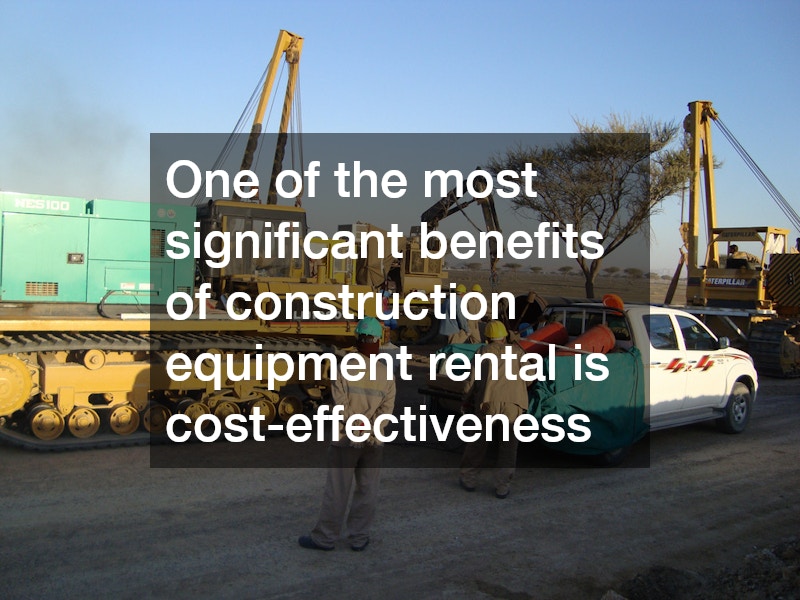
One of the most significant benefits of construction equipment rental is cost-effectiveness. Purchasing equipment involves not only the initial investment but also ongoing maintenance costs, storage needs, and depreciation losses. On the other hand, renting provides a budget-friendly alternative where companies only pay for the equipment when it is in use. This aspect of rental results in better-managed finances, directing savings towards other critical operational areas. It’s especially advantageous for startups or firms that need to maintain a lean budget.
Construction projects often have varying durations, and renting equipment aligns perfectly with these temporal needs. By choosing rental, businesses can better predict and manage construction costs due to the straightforward pricing structure offered by rental agreements. These contracts typically encompass maintenance services, which alleviate the burden of routine upkeep and unexpected repairs. As a result, rental allows for precise budget forecasting without the uncertainties associated with owning equipment.
The affordability of construction equipment rental also includes access to updated technology without frequent reinvestment. Advances in construction technology occur rapidly, and owning outdated equipment can place companies at a competitive disadvantage. Rental companies frequently update their fleets, ensuring clients can utilize modern equipment equipped with the latest safety features and technological enhancements. This practice not only maintains competitive project execution but also contributes to a skilled workforce adept at handling contemporary tools and machinery.
Reduction of Maintenance and Storage Concerns
Owning construction equipment necessitates significant attention to maintenance and storage. These aspects can become burdensome, particularly for small to medium-sized enterprises. Renting construction equipment eliminates the need to allocate resources for long-term equipment storage and detailed maintenance schedules. Instead, rental companies usually provide well-maintained machinery, reducing downtime and keeping projects on track. This advantage allows construction firms to focus more on project management and less on operational logistics.
Maintenance of heavy machinery involves specialized knowledge and a dedicated team, which not all companies can support. Rental options include comprehensive service packages where inspections, repairs, and parts replacements are all managed by the rental provider. By alleviating this responsibility, companies can ensure project timelines are not disrupted by equipment failures. Additionally, rental arrangements help mitigate the risk of owning equipment that might become obsolete or require extensive upgrades over time.
Another benefit of renting is the flexibility it offers regarding equipment storage. Owning machinery requires ensuring appropriate storage facilities that protect against environmental factors like rust or damage. With construction equipment rental, companies are relieved from investing in such facilities, saving both space and costs. This reduction in logistical concerns is particularly advantageous for firms operating in urban areas with limited space. Overall, rental provides a streamlined approach to dealing with equipment logistics.
With the construction industry’s continuous evolution, adapting to modern practices is vital. Construction equipment rental offers numerous benefits, including flexibility, cost savings, and simplified logistics. It enables companies to meet diverse project demands without the constraints of ownership. By considering these advantages, construction firms can enhance their operations, ensuring they remain competitive in a dynamic market.