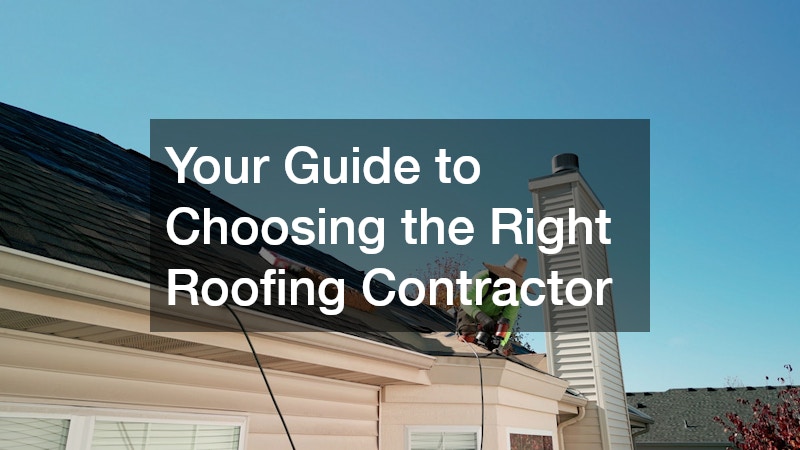
Maintaining a home isn’t just about aesthetics—it’s about protecting your investment, ensuring the safety of your family, and preventing costly emergencies. Homes, like machines, need regular checkups and preventive care to function efficiently. Neglecting small problems can quickly lead to expensive repairs, whether it’s a leaking roof, clogged drains, or foundation issues.
Yearly home maintenance is also an opportunity to improve your living space, enhance energy efficiency, and preserve property value. By creating a structured plan for inspections, cleaning, and professional services, homeowners can stay ahead of potential issues while keeping their homes comfortable and safe year-round.
This guide covers the essential services every homeowner should schedule annually, including practical tips, actionable advice, and insights on how to work with professionals. From roofing to plumbing to specialized renovations, this comprehensive checklist ensures your home remains in top condition.
1. Inspecting and Maintaining Your Roof
Your roof is the first line of defense against the elements, yet it’s often one of the most neglected parts of a home. Weather exposure, debris, and time can gradually damage shingles, flashing, and other roofing components. Regular inspections help catch problems early, prevent leaks, and prolong the lifespan of your roof.
Key Steps for Roof Maintenance:
-
Schedule an annual inspection in spring or fall.
-
Check for damaged, curling, or missing shingles.
-
Inspect flashing around chimneys, vents, and skylights.
-
Clean gutters and downspouts to ensure proper drainage.
-
Remove debris such as leaves and branches that can trap moisture.
Beyond basic maintenance, homeowners should understand the difference between routine upkeep and necessary repairs. A thorough roof inspection may reveal small issues like loose nails or minor shingle damage that, if ignored, can evolve into water leaks and structural rot. Addressing these issues early can save hundreds or even thousands of dollars in major repairs.
Another critical aspect is safety. Many homeowners attempt to inspect roofs themselves, which can lead to accidents. Hiring qualified professionals—whether roofing contractors or a trusted local roofer—ensures that inspections and repairs are done safely and effectively. Experienced roofers can also provide guidance on materials, warranties, and preventative measures tailored to your climate and home type.
2. Keeping Your Plumbing System in Top Shape
Plumbing is the lifeline of your home, and small issues can quickly escalate if ignored. Leaky faucets, slow drains, and minor pipe damage can lead to water waste, higher utility bills, and structural damage over time.
Annual Plumbing Checklist:
-
Inspect visible pipes for leaks or corrosion.
-
Test water pressure and check for inconsistencies.
-
Examine water heaters for rust, sediment buildup, or leaks.
-
Flush water heaters to maintain efficiency.
-
Schedule routine drain cleaning to prevent blockages.
Regular plumbing inspections also allow homeowners to identify early warning signs of bigger problems, such as hidden leaks behind walls or under floors. These issues, if left unchecked, can cause mold growth, wood rot, and serious structural damage. Professional plumbers can detect these hidden problems using specialized cameras and diagnostic tools.
Routine maintenance is also an opportunity to optimize your system. For instance, replacing old fixtures with water-efficient models or installing new shut-off valves can improve water flow, reduce waste, and lower utility costs. Scheduling an annual visit with a plumbing professional and a drain cleaning company ensures that your system functions efficiently while minimizing the risk of emergency repairs.
3. Maintaining Your Well and Water Supply
For homes with private wells, water supply maintenance is essential for both safety and function. Annual well inspections and maintenance help avoid disruptions in water flow and protect against contamination.
Well Pump and Water System Tips:
-
Schedule a well pump service to check for leaks, pressure problems, and mechanical issues.
-
Inspect pipes, valves, and electrical components.
-
Test water quality annually for bacteria, nitrates, and other contaminants.
-
Clean or replace filters as needed.
Homeowners should also pay attention to seasonal changes, as freezing temperatures can affect pumps and plumbing components. Proper insulation, winterization of exposed pipes, and timely servicing prevent damage that may otherwise require costly repairs. Additionally, tracking water usage can help identify subtle declines in well performance before they become critical.
Water quality is another essential factor. Even if your well functions mechanically, contaminants such as bacteria or minerals can affect taste, odor, and safety. Annual testing, combined with professional well pump service, ensures that your water remains clean and safe for consumption, cooking, and bathing, while reducing the risk of future plumbing issues.
4. Protecting Your Concrete Surfaces
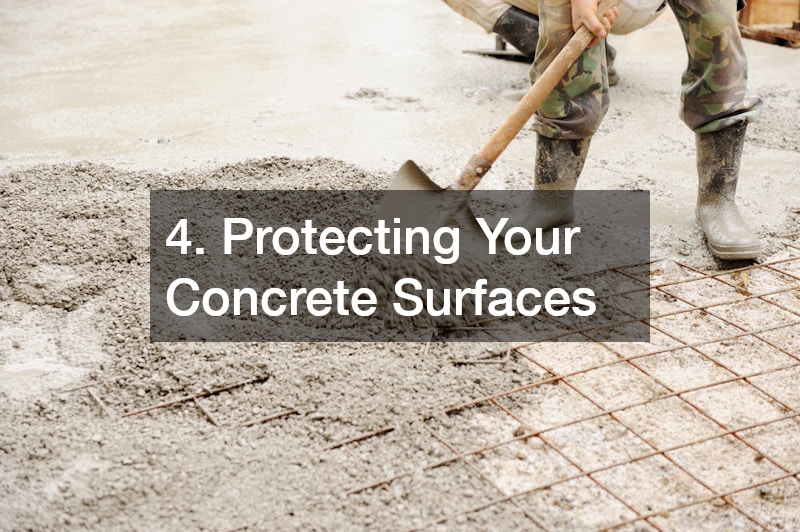
Concrete forms the foundation of driveways, patios, walkways, and other outdoor structures. Over time, exposure to the elements can cause cracks, settling, and erosion. Annual inspections and maintenance help prevent larger structural problems.
Concrete Maintenance Tips:
-
Look for cracks, spalling, or surface discoloration.
-
Check drainage patterns to prevent pooling water that can weaken the base.
-
Seal minor cracks to prevent further deterioration.
-
Address uneven slabs to prevent tripping hazards.
Proactive concrete maintenance also helps prevent safety hazards. Uneven slabs, loose sections, or cracks can be dangerous for children, elderly family members, or visitors. Fixing small issues early not only enhances safety but also preserves curb appeal and property value.
Sometimes, minor repairs aren’t enough. Hiring concrete companies ensures that larger cracks or damaged slabs are repaired with professional-grade materials. In cases where underlying soil or drainage issues contribute to concrete problems, an excavation service may be necessary. Excavation allows for proper grading, drainage correction, and preparation for new concrete installation, ensuring a long-lasting solution.
5. Sprucing Up Cabinets and Storage Areas
Cabinets are often overlooked, yet they play a significant role in both functionality and appearance. From kitchens to bathrooms, ensuring cabinets are well-maintained can prevent deterioration and improve overall home value.
Cabinet Maintenance Tips:
-
Inspect cabinet doors, hinges, and hardware for damage or looseness.
-
Clean surfaces with appropriate cleaners to remove grime.
-
Lubricate drawers and sliding mechanisms.
-
Check for water damage in areas under sinks.
Beyond basic upkeep, homeowners can enhance their storage solutions by upgrading materials, finishes, or layouts. A professional cabinet company can repair, refinish, or even custom-build cabinets to improve functionality and aesthetics. These upgrades can make a significant difference in both usability and home appeal.
For surfaces like countertops, sinks, or floors, collaborating with custom epoxy companies can provide durable, visually striking finishes. Epoxy coatings resist stains, moisture, and wear, making them an excellent choice for high-traffic areas. Combining cabinet maintenance with epoxy upgrades ensures both practical and aesthetic improvements, enhancing the overall value of your home.
6. Enhancing Energy Efficiency and Roof Longevity
Roof maintenance isn’t only about preventing leaks—it’s also crucial for energy efficiency. Proper insulation, sealing, and repair can reduce heating and cooling costs significantly.
Energy Efficiency Roof Tips:
-
Schedule inspections with roofing contractors to address wear before it escalates.
-
Consider a spray foam roofer for insulation improvements and leak prevention.
-
Clean and seal roof surfaces to reflect sunlight and reduce heat absorption.
-
Remove debris that can trap moisture and compromise insulation.
Insulation plays a vital role in regulating indoor temperature. Poorly insulated roofs can lead to heat loss in the winter and overheating in the summer, resulting in higher energy bills. Spray foam applications not only improve energy efficiency but also extend the roof’s life by preventing water intrusion and reducing thermal stress on roofing materials.
Regular energy audits complement roof inspections. Homeowners can identify areas where insulation, ventilation, or air sealing may be lacking. Coordinating roof maintenance with energy efficiency improvements allows homeowners to maximize comfort, lower utility costs, and prevent future structural damage due to moisture or temperature fluctuations.
7. Seasonal Outdoor Maintenance
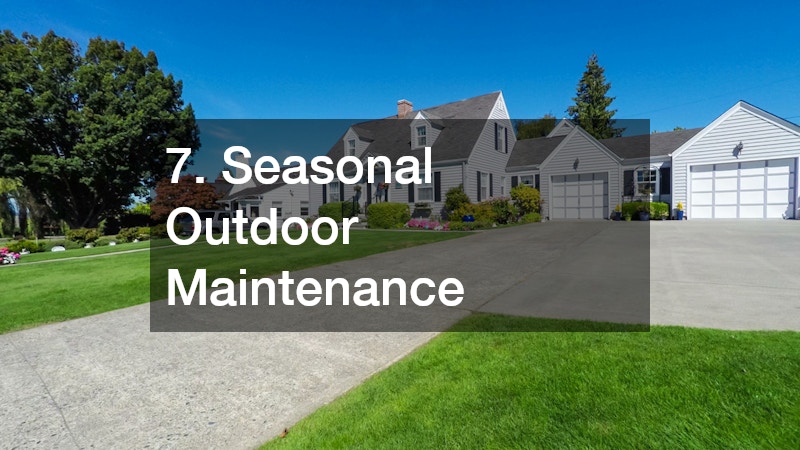
Maintaining outdoor areas is vital for both curb appeal and home protection. Neglecting landscaping, driveways, and drainage can lead to erosion, foundation problems, and water intrusion.
Outdoor Maintenance Tips:
-
Inspect your yard for proper grading to prevent water pooling near your home.
-
Schedule an excavation service if soil erosion threatens foundations or landscaping.
-
Repair or resurface patios, sidewalks, and driveways with the help of concrete companies.
-
Keep gutters and downspouts clean to prevent water damage.
Landscaping also affects home safety and property value. Overgrown plants or trees can damage roofs, foundations, or underground utilities. Trimming vegetation annually, maintaining proper drainage, and ensuring walkways are safe helps protect your home while enhancing curb appeal.
Outdoor maintenance also involves preparing for seasonal changes. For example, winterizing irrigation systems, checking retaining walls, and sealing concrete surfaces against freeze-thaw damage prevents costly repairs and prolongs the life of outdoor structures. Annual attention ensures your property remains both functional and attractive throughout the year.
8. Scheduling Preventative Inspections and Maintenance
Creating an annual home maintenance calendar helps homeowners stay organized and proactive. Routine inspections and preventative measures minimize the risk of unexpected failures.
Tips for Preventative Home Care:
-
Mark annual inspections for plumbing, roofing, and well systems on a calendar.
-
Schedule plumbing inspections before peak usage seasons (winter and summer).
-
Arrange drain cleaning company services to avoid sewer backups.
-
Keep a log of completed services and upcoming maintenance needs.
Scheduling preventive services also gives homeowners peace of mind. Knowing that inspections are completed, systems are functioning, and potential issues are addressed reduces stress and ensures smooth operation throughout the year.
Coordination is essential when multiple contractors are involved. Maintaining clear records, including dates, contact information, and services provided, helps track the condition of your home and plan future projects efficiently. This proactive approach saves both time and money in the long run.
9. Coordinating Multiple Home Services Efficiently
Large homes or major renovations often require multiple contractors. Efficient coordination ensures work is done on time, minimizes disruptions, and prevents overlapping schedules.
Tips for Coordinating Services:
-
Prioritize tasks based on urgency and seasonal considerations.
-
Work with reputable roofing contractors and a local roofer for timely inspections and repairs.
-
Bundle services where possible, such as having both plumbing and drain cleaning completed during the same visit.
-
Communicate clearly with contractors to avoid misunderstandings and delays.
Efficient coordination also helps homeowners maximize the value of each service visit. For instance, pairing a concrete repair with excavation work or scheduling roof repairs alongside insulation improvements reduces travel and labor costs, while minimizing disruptions to daily life.
Additionally, fostering good relationships with trusted contractors provides benefits over time. Reliable professionals can offer advice on preventative measures, alert homeowners to potential concerns, and ensure that work is performed to the highest standard, creating a long-term maintenance partnership.
10. Maximizing Home Value Through Regular Upkeep

Consistent, annual home maintenance not only keeps your property functional but also significantly enhances resale value. Well-maintained homes signal care and attention to potential buyers, while upgrades can make a property stand out.
Value-Boosting Maintenance Tips:
-
Invest in high-quality updates from cabinet companies for kitchens and bathrooms.
-
Enhance surfaces with durable finishes from custom epoxy companies.
-
Repair roofs, plumbing systems, and concrete surfaces proactively.
-
Keep records of maintenance and upgrades to showcase the home’s condition.
Regular upkeep also provides peace of mind. Knowing that your home is well-maintained reduces the risk of emergencies and allows you to enjoy your space without constant worry about repairs. By combining preventative care with strategic upgrades, homeowners can protect their investment, reduce long-term repair costs, and ensure their home remains comfortable, functional, and visually appealing.
Scheduling essential home services every year is a crucial part of responsible homeownership. By staying on top of roof inspections, plumbing maintenance, well pump service, cabinet care, and outdoor repairs, homeowners can prevent costly emergencies, improve energy efficiency, and enhance property value.
Creating a structured maintenance plan and working with trusted professionals ensures that your home remains safe, comfortable, and beautiful for years to come. Proactive upkeep is not just about avoiding problems—it’s about investing in your home’s future.