Smart home improvement upgrades go beyond surface-level updates. While new finishes and modern aesthetics can transform a space visually, true value comes from improving a home’s performance, durability, and safety. Strategic upgrades help homeowners avoid costly repairs, improve daily comfort, and increase long-term property value. The key is knowing where to invest and how to choose the right materials and professionals.
Every home has unique needs based on age, location, and usage. Some improvements focus on structural stability, while others enhance energy efficiency, usability, or visual appeal. Understanding how these upgrades work together allows homeowners to make informed decisions that support both immediate goals and future resale value. This guide explores smart, well-planned home improvements that rely on quality materials, expert services, and trusted providers to deliver lasting results.
Home improvement projects are most successful when they are approached strategically rather than as isolated upgrades. For example, improving insulation may reduce energy costs, but its impact is even greater when paired with proper sealing, updated doors, and efficient climate control systems. Similarly, aesthetic enhancements such as new paint or flooring benefit from underlying structural soundness and moisture control. Viewing the home as a connected system helps homeowners avoid costly missteps and ensures each investment supports the next.
Planning also plays a crucial role in balancing budget and expectations. Homeowners who prioritize projects based on condition and long-term performance are better equipped to allocate resources wisely. This often means addressing foundational or safety-related concerns before moving on to visual upgrades. Creating a clear roadmap allows projects to be completed in logical phases, minimizing disruption while maximizing value.
Equally important is selecting the right professionals and materials. Skilled service providers bring experience, compliance with local regulations, and quality craftsmanship, while durable materials offer better performance and longer life spans. Together, these elements reduce maintenance demands and provide confidence that upgrades will stand the test of time.
By approaching home improvements with a thoughtful, informed mindset, homeowners can create spaces that are not only attractive but also resilient, efficient, and well-suited to evolving needs.
Evaluating Structural Integrity Before Cosmetic Upgrades
Before updating finishes or adding new features, homeowners should ensure the structure of the home is sound. Structural problems can compromise every other improvement, making it essential to address them early in the planning process. A beautiful renovation loses its value quickly if it is built on an unstable foundation or supported by weakened structural elements.
Structural issues often develop gradually and may not be immediately visible. Hairline cracks, uneven floors, or subtle shifts in walls can indicate deeper problems that worsen over time if left unaddressed. Ignoring these warning signs can lead to escalating repair costs, delays during renovation, and even safety hazards for occupants. By prioritizing structural integrity first, homeowners protect both their investment and their peace of mind.
A thorough evaluation typically involves assessing load-bearing walls, support beams, and the overall condition of the foundation. Professionals can identify whether issues stem from soil movement, water intrusion, aging materials, or previous construction errors. Addressing these concerns early allows repairs to be integrated smoothly into the renovation timeline rather than interrupting progress later.
There are several benefits to resolving structural concerns before cosmetic upgrades, including:
-
Preventing cracks or damage to new drywall, flooring, and finishes
-
Ensuring doors, windows, and cabinetry remain properly aligned
-
Improving the longevity of future upgrades
-
Increasing resale value by demonstrating responsible home maintenance
When homeowners take the time to stabilize the structure first, every subsequent improvement becomes more effective and durable. This proactive approach creates a solid foundation—both literally and figuratively—for all future home upgrades, allowing design choices and enhancements to perform as intended for years to come.
Warning signs that indicate the need for a professional evaluation include:
-
Cracks in interior or exterior walls
-
Doors or windows that stick or no longer align properly
-
Uneven or sloping floors
-
Gaps between walls and ceilings
A professional foundation repair service can assess the severity of these issues and recommend appropriate solutions. Addressing structural concerns first prevents further damage and protects investments made in flooring, cabinetry, and finishes.
Benefits of early structural repairs include:
-
Improved safety and stability
-
Reduced long-term repair costs
-
Better support for future renovations
-
Increased home value and buyer confidence
Homeowners should request a detailed inspection report and discuss repair options, timelines, and warranties before proceeding with cosmetic upgrades.
Protecting Your Home With the Right Roofing Decisions
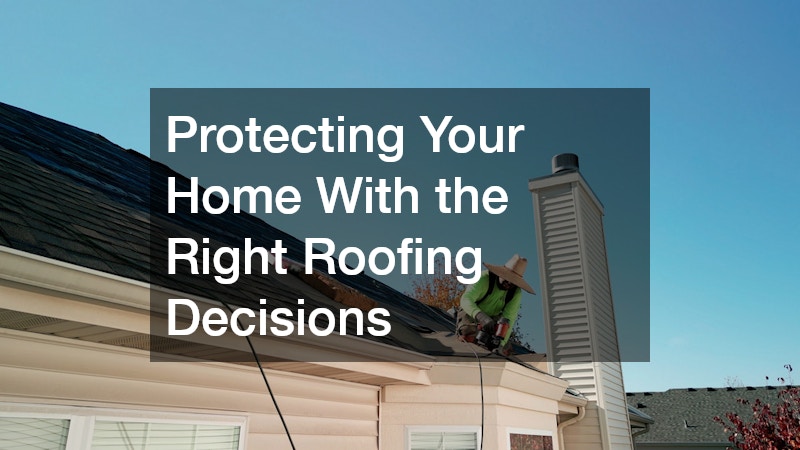
The roof plays a critical role in protecting the home from weather, moisture, and temperature fluctuations. A failing roof can lead to water damage, insulation problems, and mold growth, making it one of the most important areas to evaluate during a renovation plan.
Working with the best roofing company ensures proper installation, material selection, and long-term reliability. Homeowners should look for professionals who offer transparent estimates, manufacturer-backed warranties, and a strong local reputation.
Beyond basic protection, a well-designed roofing system contributes to overall energy efficiency and indoor comfort. Modern roofing materials can reflect heat, reduce attic temperatures, and help stabilize interior climates throughout the year. This reduces strain on heating and cooling systems while lowering energy costs over time. Selecting the right roofing material also depends on climate conditions, roof pitch, and the architectural style of the home.
Homeowners should also consider the importance of proper ventilation and drainage. Adequate airflow in the attic prevents moisture buildup and extends the lifespan of roofing components. Gutters, flashing, and underlayment work together to direct water away from vulnerable areas such as foundations and exterior walls. When these elements are installed correctly, they reduce the likelihood of leaks and long-term structural damage.
When planning a roofing upgrade, it’s helpful to ask targeted questions, such as:
-
What materials offer the best durability for local weather conditions
-
How long installation is expected to take and what disruptions to expect
-
Whether the project includes inspections of decking and ventilation
-
How warranties cover labor and materials
By addressing these considerations early and partnering with experienced professionals, homeowners can ensure their roof not only enhances curb appeal but also provides dependable protection and performance for years to come.
When evaluating roofing needs, consider:
-
The age and condition of the existing roof
-
Signs of wear such as curling shingles or leaks
-
Ventilation and drainage performance
-
Compatibility with energy-efficient upgrades
Regular inspections and timely repairs extend the lifespan of a roof and prevent small issues from escalating into major structural problems.
Improving Energy Efficiency With Smarter Insulation Choices
Insulation is one of the most cost-effective upgrades a homeowner can make. Proper insulation reduces heat loss, lowers energy bills, and improves indoor comfort throughout the year. Many older homes contain outdated or insufficient insulation that no longer meets modern efficiency standards.
Upgrading insulation helps create a consistent indoor temperature by minimizing drafts and preventing unwanted heat transfer. This is especially important in areas such as attics, crawl spaces, and exterior walls, where temperature fluctuations are most pronounced. When insulation is properly installed, heating and cooling systems operate more efficiently, reducing wear on equipment and extending its lifespan.
There are several types of insulation materials available, each designed for specific applications and performance needs. Homeowners may choose from options such as fiberglass batts, blown-in cellulose, spray foam, or rigid foam panels. Selecting the right material depends on factors like climate, moisture exposure, and the layout of the home. A professional assessment can help determine which solution delivers the best balance of performance and cost.
In addition to energy savings, improved insulation offers secondary benefits that enhance overall living conditions. Better soundproofing can reduce noise from outside or between rooms, while improved moisture control helps prevent condensation and related issues. Homes with upgraded insulation also tend to have higher resale appeal, as energy efficiency is a priority for many buyers.
By investing in modern insulation upgrades, homeowners can enjoy year-round comfort, reduced utility expenses, and a more efficient living environment without the need for extensive renovations.
Upgrading insulation materials can dramatically improve a home’s performance. Key areas to evaluate include:
-
Attics and crawl spaces
-
Exterior walls
-
Basements and garages
-
Around windows and doors
Benefits of modern insulation upgrades include:
-
Reduced heating and cooling costs
-
More consistent indoor temperatures
-
Less strain on HVAC systems
-
Improved soundproofing
Choosing the right insulation type depends on climate, home design, and existing materials. A professional assessment helps determine the most effective solution for long-term efficiency gains.

Upgrading Plumbing Systems With Durable Flow Control Components
Plumbing upgrades are often overlooked during home improvements, yet they play a vital role in efficiency and reliability. Internal components such as ceramic ball valves offer superior durability and resistance to corrosion, making them ideal for long-term use.
In more complex systems, ceramic inert support media helps stabilize and protect infrastructure by supporting filtration and flow consistency. These components are especially valuable in homes with advanced water systems or specialized plumbing needs.
Advantages of modern plumbing components include:
-
Reduced maintenance requirements
-
Improved water flow control
-
Longer system lifespan
-
Increased resistance to chemical and temperature fluctuations
Homeowners should consult licensed professionals when upgrading plumbing systems to ensure compatibility, proper installation, and compliance with local codes.
Refreshing Living Spaces With Professional Interior Finishes
Interior upgrades often begin with visual improvements, and few changes have as much impact as a fresh coat of paint. Professional interior painting enhances aesthetics while also protecting surfaces from wear and moisture.
Thoughtful paint selection can:
-
Make small spaces feel larger
-
Improve natural and artificial lighting
-
Highlight architectural features
-
Create a cohesive design throughout the home
High-traffic areas benefit from durable finishes that resist scuffs and stains, while specialty coatings can improve moisture resistance in kitchens and bathrooms. Hiring experienced professionals ensures clean lines, proper surface preparation, and long-lasting results.
Enhancing Entry Points for Security and Energy Savings
Doors are both functional and decorative elements of a home. Worn or outdated doors can lead to energy loss, security concerns, and reduced curb appeal. Strategic door replacement improves insulation, safety, and overall aesthetics.
Signs it may be time to replace doors include:
-
Drafts or air leaks
-
Difficulty opening or closing
-
Visible warping or damage
-
Outdated locking mechanisms
Modern doors offer advanced insulation cores, reinforced frames, and enhanced security features. Choosing the right materials and professional installation ensures optimal performance and durability.
Extending Living Space Outdoors With Thoughtful Planning
Outdoor upgrades can significantly expand a home’s usable space. For waterfront properties, thoughtful dock design improves accessibility, safety, and enjoyment while enhancing property value.
Effective planning includes:
-
Evaluating environmental conditions
-
Selecting weather-resistant materials
-
Ensuring compliance with local regulations
-
Coordinating design with existing structures
Well-designed outdoor features provide functional space for recreation, relaxation, and entertaining while complementing the home’s overall aesthetic.
Managing Risk and Protecting Your Investment During Upgrades
Large-scale home improvements involve financial and legal considerations that homeowners should not overlook. Working with insured professionals and understanding coverage options reduces risk throughout the renovation process.
A localbusinessinsurance service can help contractors and homeowners ensure appropriate coverage is in place. This protection minimizes liability and safeguards investments in materials, labor, and completed work.
Key considerations include:
-
Contractor liability coverage
-
Property damage protection
-
Worker safety insurance
-
Project-specific policies for major renovations
Clear documentation and communication help avoid disputes and delays during construction.
Supporting Home Improvement Projects With Local Specialists
Behind every successful renovation is careful coordination and documentation. Local service providers play an important role in keeping projects organized and efficient. Local printing supports permits, design plans, signage, and project records.
Benefits of working with local specialists include:
-
Faster turnaround times
-
Easier communication
-
Support for the local economy
-
Greater accountability and reliability
Keeping resources nearby simplifies logistics and helps ensure projects stay on schedule.
Smart home improvement upgrades require more than choosing trendy finishes or following popular design ideas. True success comes from combining quality materials, expert services, and thoughtful planning. By addressing structural needs, improving efficiency, enhancing aesthetics, and protecting investments, homeowners can create spaces that perform well today and remain valuable for years to come.
Taking a comprehensive approach ensures each upgrade supports the next, reducing long-term costs and increasing comfort, safety, and functionality. With careful decision-making and trusted professionals, homeowners can confidently invest in improvements that strengthen their property and enhance everyday living.